


Sep
Achieve Breakthroughs By Tapping Into Your Primal Intelligence
jerry9789 0 comments artificial intelligence, Burning Questions


Is Artificial Intelligence going to be the be-all, end-all for decision-making, problem-solving and innovation? If AI is faster, more logical and more efficient than humans, why hasn’t it overtaken us already? Is there a way for human genius to gain the edge over AI?
Yes, AI has changed the way we’ve done things these last few years – optimizing and streamlining processes to improve efficiency and effectiveness while maximizing output and in some cases, reducing costs. AI thrives in a production environment with defined datasets, but take away all that reliable data and introduce new variables, and it crumbles.
AI can generate art and stories, but it does this based on the data it was fed and trained on. It’s truly incapable of producing anything genuinely novel from outside that frame. This means it has the potential to suffer in a self-loop of homogeneous and biased outputs over time, building towards incoherence.
In a world that is increasingly being taken over by AI processes and outputs, recognizing and understanding this limitation is going to help human intelligence find its place and continue to thrive and evolve. In fact, just as AI gained mainstream popularity these past few years, another type of human intelligence has captured the attention and imagination of researchers – and the U.S. Army at the same time.

Image: Lukas
What Is Primal Intelligence?
Ohio State University professor Angus Fletcher, along with other researchers at Ohio State’s Project Narrative, started to investigate in 2021 something called “primordial brainpower” that reportedly drives human intuition. Their research led them to something they call Primal Intelligence, a kind of “natural cleverness” by humans that can be strengthened through training, but which AI can’t replicate.
Professor Fletcher describes Primal Intelligence as part of our lost nature and a key to activating intuition, imagination, emotion, and common sense. The U.S. Army Special Operations then adopted primal training for its most classified units and according to Professor Fletcher, Special Operators saw the future faster, thought more quickly, acted more swiftly, and healed more rapidly from trauma. After the Army authorized trials on civilians such as entrepreneurs, doctors, engineers, managers, coaches, teachers, investors, and NFL players, they found their leadership and innovation significantly improved. These civilians coped better with change and uncertainty, and experienced less anger and anxiety. The Army subsequently provided primal training to college and K–12 classrooms with students as young as eight, and they reported substantial beneficial effects from the training. In 2023, the Army awarded Professor Fletcher the Commendation Medal for his research on retraining the human mind.
Professor Fletcher’s research has been endorsed by renowned psychologists, neuroscientists, and doctors. He has received support from major institutions such as the National Science Foundation. He also wrote the book Primal Intelligence: You Are Smarter Than You Know, from which the following five key insights for sharpening our primal intelligence are derived.

Image: Alana Jordan
1. Exceptional Information
Special Operators “see” or anticipate the future faster than other soldiers on the battlefield, thanks to their unusually high level of intuition. But how does one improve their intuition?
To begin with, you’ll need to dissociate intuition from the decades-old concept that intuition is just mere pattern matching. The aforementioned Operators have trained their brains to find what the Army has dubbed “exceptional information.” Succinctly put, exceptional information is an exception to a previously established rule; it’s the opposite of a pattern because it’s the breaking of a pattern.
Young children score high on intuition but lower at pattern matching because their brains are focused more on unusual details than on familiar patterns. Training your brain to spot exceptions rather than thinking in patterns can help improve your intuition.
Travel or go on trips to immerse your brain in places that break the pattern of your regular life. Reading the works of authors like Shakespeare can also help improve intuition because of characters who are exceptions to traditional narrative tropes, like Hamlet the deep-thinking action hero or the cold and scheming Cleopatra who possesses a loving heart. Known Shakespeare readers who were able to anticipate the future by spotting exceptions range from Nikola Tesla with his AC motor, Marie Curie with radioactivity, and even Vincent van Gogh and his use of aquamarine.

Image: Donald Tong
2. Rethinking Optimism
Optimism pushes us to take on chances which could lead to growth, but why do many people fall back into pessimism? Why do we need to remind ourselves that optimism works better than pessimism instead of instinctively switching to the former frame of mind whenever something new or unusual comes up? Why is optimism this fragile in our minds?
This has something to do with how we think of optimism. We’ve been taught that optimism is “this will succeed,” when “this can succeed” is much more powerful and stronger. Instead of convincing us that this will succeed, we remember that we can succeed.
Remembrance over visualization. Special Operators call this method antifragile because remembering that one time in the past when you’ve been successful is more resilient than magically thinking of achieving success. Building your optimism on the foundation of faith where you’ve succeeded one time no matter how many times you fail can be all you need to keep on going. This is an improvement over being buoyed by the hope that you can succeed, but having your confidence eroded when you don’t.

Image: Kaboompics.com
3. Thinking In Story
In new situations with little to no precedent values (where AI falls apart), how are Special Operators not only able to pull through but also excel?
We have to remind ourselves that the human brain features more than one type of intelligence. While it evolved over a million years with the capacity to think logically and process data from which computers were modeled, the human brain also developed narrative cognition or simply put, the ability to think in story.
Thinking in story means the brain sees the “movement” of story, from beginning to middle to end, with room for imagination to explore possibilities and wisdom to sensibly tie things together. AI has the ability to generate story plots and images from datasets, but it still doesn’t read the story. It’s still our human brains that instill story and meaning to these generated plots and images.
High-data environment and conditions might not be conducive for thinking in story, but it finds its place in volatile and uncertain situations. Special Operators who performed well in volatility were found to have brains proficient at thinking in story.

Image: cottonbro studio
4. Empowerment Through Role-playing
Anger and anxiety are physiological indicators of a threat response. So what’s the best way to mitigate the brain’s threat response? Removing the threat, usually with outside force, might spring to mind but what if we tell you that conjuring a gameplan with your brain to deal with the threat is more effective?
That’s exactly how Special Operators function. Instead of avoiding threats, they advanced toward the threats and they do this without feeling anxious or angry. That’s because these Operators have trained their brains to imagine plans for dealing with threats. And they train their imagination by engaging in role-playing exercises.
Outside of Special Operations, role-playing can be taught to regular people or students by taking part in arts and humanities activities such as theater, literature, and history. The key is to be able to imagine oneself as somebody else in another place or situation, engaging the brain’s ability to imagine plans for handling threats.

Image: geralt
5. Possibility Over Probability
How do you train people so that you produce leaders and not just managers? Focus your training on expanding their ability to think not in probability but in possibility.
What’s the difference? Probability is calculated or based from past events while possibility assumes an event that hasn’t happened could happen. Probability is employed by statistics and computer AI while possibility empowers story and imagination. With a fundamentally different mental process involved, possibility engages original thinking, enterprise, and initiative: key mental qualities of entrepreneurs and leaders in general.
You can expand your sense of possibility by stimulating your brain’s premotor cortex and boosting your practical imagination with realistic tales of make-believe. The Wright brothers read the creative works of Charles Dickens and Mark Twain, while Special Operators prefer novels set in the near future or in a different culture.

Image: Katrin Bolovtsova
Cascade Strategies and Primal Intelligence
Cascade Strategies has not only been advocating for the “appropriate use of AI” but has also been consistently pushing for the appreciation of high-level human thinking, especially when it comes to market research. This research on primal intelligence underscores our stance on the irreplicable and inimitable merits of human intelligence. We believe there are values and experiences humans bring to the table that AI simply cannot match. We’ve always believed that breakthroughs in market research can only be unlocked only with the proper application of human intelligence. To learn more about how our thinking can help you with your brand development and market research needs, please contact us here.
Additional Reading:
Why AI Will Never Defeat Primal Intelligence
‘Primal Intelligence’ Review: Why Brains Are Better
Featured Image: johnhain
Top Image: geralt

Sep

Some years ago, Publix Supermarkets allowed us to conduct qualitative and quantitative research for them. The result was a key brand insight about a kind of consumer called the Reluctant Shopper. Despite the ironic name, this kind of consumer hewed more closely to the shopping experience Publix offered than to competitive shopping experiences. The campaigns built around the Reluctant Shopper helped Publix weather the storm of competition from well-heeled operators like Walmart. Winn-Dixie, a much larger chain with many more stores, perished.
We recently asked Gemini to review the same dataset and report on it. Gemini provided a sparkling and quite accurate report on the data but perceived nothing about the Reluctant Shopper. This is something to bear in mind if you’re a consultant advising a brand on how to thrive: perspicacity counts.
There’s a kind of intelligence AI can’t reach. It has dimension, soul, and human inspiration. We’d do well to remember this as we pour more datasets into the maw of AI. If you’re a consultant and need perspicacity, you might want to contact Cascade Strategies. We can help you see things AI can’t see.
Image: Harrison Keely

Aug
Do You Know How Many HHCAHPS Stars You Have?
jerry9789 0 comments Brand Surveys and Testing, Brandview World, Burning Questions

What Is The HHCAHPS Stars Ratings?
Is your home health agency delivering not just acceptable but high-quality care according to your patients? Are your staff effectively communicating and connecting with your clients? How do you compare to other home health agencies in your area? But more importantly, do you know how many HHCAHPS Stars you have?
In line with the Affordable Care Act’s goal for transparent and easily understandable public reporting of quality of care information, the Centers for Medicare and Medicaid Services (CMS) uses a 5-star scale rating with the Home Health Care Consumer Assessment of Healthcare Providers and Systems (HHCAHPS) survey. The first national, standardized, and publicly reported home health care patient survey, the 34-item HHCAHPS survey was specifically designed to measure the experiences of people getting home health care from Medicare and Medicaid-certified HHAs. It gathers feedback from current or recently discharged patients as well as their family or friends about their experience with an HHA. The HHCAHPS survey is conducted by approved survey vendors either by mail only, telephone only, or a mix of mail survey with a telephone follow-up for non-respondents. And to support internal customer service and quality-related efforts, the survey also allows HHAs to add their own customized questions after the core questions.
HHAs with at least 40 completed HHCAHPS surveys over the publicly reported four-quarter period are qualified to receive HHCAHPS Star Ratings. Those with fewer than 40 completed HHCAHPS surveys will not receive Star Ratings as they may not have sufficient statistical reliability to ensure true performance is measured; however, if they’re eligible to be reported during that time period, their individual HHCAHPS measure scores will still be publicly reported.
The HHCAHPS Star Ratings at the Home Health Compare make it easier for consumers to compare home health agencies (HHA) and make informed decisions when choosing their home health care provider. While the HHCAHPS Star Ratings do not impact an HHA’s Annual Payment Update (APU), the CMS believes that the HHCAHPS Star Ratings “will stimulate improvements in the quality of care delivered and provide incentives for HHAs to maintain or improve their own quality.”
Image: Kampus Production
What Do The HHCAHPS Stars Ratings Measure?
The HHCAHPS Star Ratings are applied to each of the three publicly reported composite measures, from which specific questions from the survey are based, namely Care of Patients, Communication Between Providers and Patients, and Specific Care Issues. A Star Rating is also applied to the HHCAHPS global item, Overall Rating of Care.
On the other hand, an HHCAHPS Star Rating is not applied to the publicly reported Willingness to Recommend measure, as it mirrors the data in the Overall Rating of Care. CMS has found the Overall Rating of Care measure to be more stable.
To calculate the HHCAHPS Star Ratings, the responses to the survey items are first combined and converted to a 0-100 linear score and then adjusted for the effects of patient mix. To generate this adjustment, the CMS applies the patient-mix adjustment to quarterly HHCAHPS scores to account for certain patient subgroups that tend to respond more positively or negatively to the survey. The four-quarter averages of HHCAHPS linear scores are then rounded to whole integers using standard rounding rules.
Once the scores are linearized, adjusted and rounded, CMS assigns 1 to 5 stars for each HHCAHPS measure by applying statistical methods that analyze the relative distribution. The Star Rating for each of the four measures is then determined by the application of a clustering algorithm to the individual measure scores across HHAs.
The four HHCAHPS Star Ratings are then combined as a simple average to form the HHCAHPS Survey Summary Star Rating.
While more stars would mean a better home health care experience, a 1-star rating doesn’t necessarily translate to receiving poor home care from an HHA. This may mean that HHAs that received 2 or more stars delivered a better home health care experience on this particular measure.
An HHA that doesn’t have an HHCAHPS Survey Summary Star Rating means that they didn’t have enough surveys to allow star ratings to be meaningfully calculated, not that there is something wrong with the agency.

Image: Antoni Shkraba Studio
How Cascade Strategies Can Help Your HHA With Your HHCAHPS Star Ratings
As we’ve touched on earlier, you can find your HHCAHPS Star Ratings at the Home Health Compare. This user-friendly web tool allows one to select multiple HHAs at a time to compare the clinical quality of care provided and patient experiences at these agencies.
Are you happy with your HHA’s HHCAHPS Star Ratings? If you think your HHA can do a better job in getting more stars but need help formulating a gameplan, consider partnering with Cascade Strategies. In addition to being an approved HHCAHPS survey vendor, Cascade Strategies brings over thirty years of high quality market research experience to the table. For starters, we can help your HHA come up with the customized questions you can add after the core questions in your HHCAHPS survey. Using the insights we can derive from the responses to these customized questions, we can help your HHA identify areas of improvement and figure out what steps you can take to achieve your goals. To learn more about how we can help your HHA and your HHCAHPS Star Ratings, please contact us here.
Additional Reading:
How Researchers Are Helping Home Health Agencies with HHCAHPS Surveys
Featured Image: Tima Miroshnichenko
Top Image: Antoni Shkraba Studio

Aug
Can Synthetic Respondents Take Over Surveys?
jerry9789 0 comments artificial intelligence, Burning Questions

What Are Synthetic Respondents?
AI has increased operational efficiency by streamlining knowledge bases and shortcutting processes so it’s no surprise people and companies are looking for more ways for its application. For market research, one curious consideration is whether it could take over surveys, essentially by replacing actual respondents with synthetic respondents.
Also known as virtual respondents, digital personas, and Virtual Audiences, synthetic respondents are individual profiles constructed by Large Language Models (LLMs) from real or simulated data. Ideally, the data or descriptions used to generate these profiles come from previously conducted surveys and are combined with individual-level demographics, attitudes and behaviors.
Using these synthetic respondents over real respondents could benefit your research with speed, accuracy and cost savings, at least according to their advocates. Basically, you just need to conduct one survey and from the profile description or data you gathered from the actual respondents, you’re able to generate results from the constructed individuals over and over for succeeding studies and research.
Testing Synthetic Respondents
While synthetic respondents could accurately represent real respondents, relying exclusively on the results from these AI-based individuals may not be entirely beneficial. A webinar hosted by Radius Global took a closer look at the potential of AI-generated synthetic respondents through three case studies of quantitative concept testing, quantitative communications research, and qualitative communications research.
Aggregate results for the concept tests involving game controllers indicate somewhat strong similarities between the results of the real and synthetic respondents. This extends to the results from the quantitative communications research when it comes to the believability of statements on the benefits of milk, although there were some differences. The differences were much more pronounced though when it comes to surprise over the same statements, and there was incongruence when considering how each statement could possibly increase milk consumption.
The qualitative communications research was seeking in-depth insights into women’s needs, perceptions, and preferences for running a race or marathon, with the feedback gathered meant to be used for creative content. Personas were constructed from the profiles of six women aged between 18 and 64 years old who ran at least once in an average week. They had an LLM assume each persona to allow a comparison between findings from real participants to synthetic respondents.
They found that while both real and synthetic respondents have somewhat similar responses when it comes to functional aspects as goals for women in general pursuing fitness, the AI responses lacked emotional expressions. There are also little differences in the synthetic respondents’ responses despite having different profiles, and there was even a lack of subtle differences.
As for concerns among women who are aspirational marathon runners, the synthetic personas were consistent in their responses while the real respondents provided more nuances, variety, and perspectives more prevalent among women.
Synthetic Respondents vs. Real Respondents
Synthetic respondents appear to be useful if you’re evaluating existing ideas and concepts; however, if you’re looking for “breakthroughs” or essentially new insights you would’ve never arrived at had you not performed the case study or research, you would need to engage with real respondents, relying exclusively on their results or combining them with that of synthetic respondents. Yes, there could be cases where synthetic respondents could be used, but the results must be extensively validated. It would also require increasing the efficiency of how data used to construct these individuals are analyzed in addition to enhancing the quality of the data and information gathered for these profiles through thorough screening, intelligent probing, and smart choice models.
There is a place for synthetic respondents in market research, but as another tool in a researcher’s toolbox. They won’t be taking over surveys or replacing actual respondents wholesale anytime soon, it seems, as that elusive “Eureka” moment researchers seek is inherently tied to the nuances and perspectives of human emotion and experience you simply can’t construct.

Photo courtesy of Pavel Danilyuk

Aug
How Excellent Market Research Benefits Manufacturing Companies
jerry9789 0 comments artificial intelligence, Brandview World, Burning Questions

More than just an invaluable asset, market research is an essential tool to any company — or industry, for that matter. From identifying and tailoring your messaging towards your ideal customer with consumer research to understanding the competition and strategically positioning your company with competitor research, great market research grants you and your firm vital and actionable insights that would prove key to the success of your marketing efforts. In addition, excellent market research helps companies manage risks effectively and efficiently, as well as aid in measuring the progress and success of projects or even your company as a whole.
The manufacturing industry not only stands to benefit from high quality market research, it’s crucial to its continued growth, innovation and evolution, especially in an industrial landscape that’s continually transforming with technological advancements along with global, cultural and attitudinal shifts. From the steam and watered-power machines of the First Industrial Revolution to the expansion of network systems and electrification of the Second Industrial Revolution to the information technology focus of the Third Industrial Revolution (the Digital Revolution), the manufacturing industry’s evolution continues on in its latest iteration with Industry 4.0, harnessing modern and emerging technologies to facilitate the merging of the physical and digital realms.
And on that note, we take a look at 10 manufacturing industry trends today that exceptional market research can help manufacturers navigate and adapt to as the Industry 4.0 era unfolds.

Image: Livia Wong
1. Smart Factories
Perhaps the best representative of things to come with the Fourth Industrial Revolution, smart factories utilize Industry 4.0 technologies to streamline and improve operational efficiency, quality and maintenance while reducing errors and waste. Older machines are gradually giving way to newer counterparts built with onboard sensors, monitoring tools, interconnected systems and in some cases, machine learning capabilities.
With more and more manufacturing companies transitioning to automated facilities plus the decreasing costs to acquire sensors, software and equipment, manufacturers big and small are all the more incentivized to join the smart factory revolution — if they haven’t yet — to not only keep up with the competition and the changing times but also take advantage of the irresistible operational benefits.
2. Artificial Intelligence
AI has disrupted multiple industries, and manufacturing isn’t immune to it; in fact, it has openly and quickly embraced and adopted it, seeing all the tremendous advantages it brings with its data-crunching prowess and advanced decision-making insights to the core aspects of smart production, quality control, supply chain management, servicing and maintenance, along with enhancements to processes, products and services.
More and more manufacturing companies are finding success and are able to scale competitively when strategically leveraging AI in automating and streamlining their operations, especially when it’s combined with other contemporary technologies. But perhaps the best combination of them all is when AI is combined with human creativity and experience, opening doors for innovation and further advancements.
3. Digital Twins and Data-driven Predictive Maintenance
If smart factories are revolutionizing manufacturing operations, digital twin technology and data-driven predictive maintenance are transforming equipment maintenance and operational downtimes. By utilizing virtual replicas or “digital twins” of equipment and devices, manufacturers can simulate equipment performance under different scenarios and situations to gain valuable insights. These data-driven insights would help manufacturing companies anticipate or predict when an equipment would need servicing or maintenance, reducing or eliminating unexpected downtimes and equipment breakdowns. At the same time, maintenance costs are reduced, material cost savings are increased, and the usage or life cycle of the asset is optimized.
And digital twins aren’t limited to physical assets only, as they can also replicate systems or processes to test new ideas or optimize existing ones before applying any changes or updates to live production. The digital twins approach not only helps minimize resource consumption and waste, but also improves business decisions by backing them with data-driven insights.
4. Other Notable Industry 4.0 Technologies (AR/VR/Robotics)
Arising from the realms of gaming and entertainment, augmented reality (AR) and virtual reality (VR) have now begun revolutionizing manufacturing. Product design, quality control, maintenance and repairs, remote collaboration and even employee training — all these are being impacted and improved by the application of AR and VR technology.
Robotics may have been around longer than AR and VR but modern robots are far more advanced than their forerunners programmed for repetitive tasks. Thanks to AI and automation software, today’s robots are autonomous, collaborative, and far more capable of performing complex tasks and operations.
These technologies in conjunction with AI make it possible for manufacturing operations to be run remotely or without any operator onsite. And as these technologies grow popular to become widely used and accepted, we might even see more fully automated manufacturing facilities called “dark factories” be developed in the near future.
5. Sustainability and Carbon Neutrality
No other industry is perhaps under greater pressure to pursue sustainable processes and carbon-neutral practices than manufacturing. Contracts with governments and institutions and eventually commercial clients require compliance with sustainability efforts while more and more consumers are supporting reputable, sustainable brands.
The manufacturing industry itself is advancing sustainability efforts by developing and employing green software to aid with carbon neutrality, waste reduction, and energy consumption optimization. Renewable energy integration in physical locations is also being embraced, while cloud infrastructure solutions and carbon capture technology are being viewed for their potential. Working toward sustainable practices and carbon neutrality isn’t without its own rewards for the business, as it’s been found that eco-conscious manufacturing companies are able to significantly reduce costs and improve efficiency with their sustainability efforts over time.
6. Reshoring
Reshoring refers to returning production operations back to the manufacturing company’s home country from overseas locations. This trend was a result of recent global events disrupting supply chains. It benefits the manufacturer with shorter supply chains, better quality control, faster market delivery, domestic economic boost, and improved sustainability efforts.
However, reshoring isn’t a decision a manufacturing company should take lightly, as one would need to factor in labor costs, skill, infrastructure, and more, as smaller-scale firms might find it more costly to operate domestically than overseas.
7. Decentralized Manufacturing
Another approach to improving supply chain resilience from disruptions is decentralized manufacturing, which is the distribution of production activities across multiple locations in the form of microfactories. Additional benefits of decentralized manufacturing include reduced logistics costs and quicker response times to local market demands.
While the coordination of multiple microfactories and achieving standardization across all sites may prove to be challenging, Industry 4.0 technologies can aid in making decentralized manufacturing more accessible and manageable through improved transparency and responsive production models.
8. Tapping into B2C
With the ever-growing popularity of e-commerce, manufacturing companies can now bypass the traditional lines of retailers and distributors and sell directly to the end consumer. Smart factories, 3d printing and additive manufacturing also make it possible to offer customized products based on a customer’s preferences. The advent of new manufacturing technology or the evolution of existing ones would only open up more opportunities for enterprising manufacturers looking to connect further with consumers.
9. Cybersecurity
The manufacturing industry’s increasing digitization has made it an irresistible target for cybercriminals, exploiting vulnerabilities with cyberthreats and attacks ranging from ransomware to industrial espionage or even supply chain and/or operational disruption. It’s no surprise then that cybersecurity has joined the elite group of paramount concerns for any manufacturing company.
Measures include multi-layered security, secure-by-design, zero-trust architecture, AI-driven threat detection, advanced encryption, and regular updates and patches, as well as employee cybersecurity training. Cybersecurity is more than just data protection or an IT concern now for manufacturing companies as it safeguards their production, finances, integrity, and reputation.
10. The Workforce of Industry 4.0
In spite of all the exciting technologies emerging in the Fourth Industrial Revolution, the manufacturing industry is experiencing widening skills gaps and labor shortages. These difficulties could translate to a loss in revenue of $1 trillion if approximately 2.1 million jobs aren’t filled in by 2030.
To address these challenges, manufacturing companies could start with reviewing all of their production processes from the ground up and assessing areas that could be improved by a highly skilled and competent workforce. Yes, the manufacturing industry is moving towards automation and advanced technologies but it can’t truly innovate without human creativity and experience.
Manufacturing companies are planning to offer higher wages by at least 3%. At the same time, they’re investing in training programs to reskill or upskill existing employees for the Industry 4.0 work environment. Incorporating new manufacturing technologies like AI and AR in these training programs can help employees not only learn faster, but also give them familiarity and first-hand experience with these digital trends. The same technologies can also be deployed for improving employee health and safety at the workplace.
Other approaches that manufacturing companies can consider taking range from partnering with local educational institutions in creating curriculums tailored for manufacturing careers, diversifying the recruitment pool, and creating appealing work environments which offer flexible schedules, potential promotions, and career development.

Image: InWay
How Cascade Strategies Can Help Manufacturing Companies with Advanced Market Research
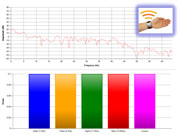
Hewlett-Packard wanted to discover what feature-price combinations in high-frequency oscilloscopes would optimize profit. We conducted an advanced conjoint study followed by AI-based modeling to evaluate sales scenarios. Out of hundreds of attributes, we found the qualities below to be most salient. Using the most salient attributes as predictive vectors, we developed an AI model to determine the unique price-feature combinations that would produce the most profit and presented the top 3 to Hewlett-Packard.

We’ve highlighted 10 manufacturing trends shaping the future of the manufacturing industry in this selection but there are actually more out there that we didn’t touch on. And as new technologies arise, existing ones improve, and other industry changes or shifts happen, more trends are sure to emerge.
Regardless of trends, you can be sure to count on market research to help you determine the best approach to leveraging new technologies or guide business decisions to ensure your manufacturing company stays competitive and relevant. Would it be beneficial or costly for your company to go with a dark factory over a smart factory? Which of your AI-driven production processes would benefit from human supervision and input? Are your sustainability efforts being seen and appreciated by your consumer base or do you need to do more?
Between reshoring and decentralized manufacturing, which one would work best for your company? Are you able to expand into B2C? Are your training programs effective in making your employees understand and uphold cybersecurity commitments?
As with any AI-powered or data-driven Industry 4.0 technology, the high quality market research Cascade Strategies provides grants valuable and actionable insights into the operations, perception, and potential of your manufacturing company. If you would like to find out more about how Cascade Strategies can help your manufacturing company thrive in the Fourth Industrial Revolution, please contact us here.
Featured Image: Hyundai Motor Group
Top Image: Foto-Rabe

Jul
How Market Research Benefits Telecommunications Companies
jerry9789 0 comments Brand Surveys and Testing, Brandview World

The Telecommunications Industry Post-COVID
We’re some years removed now from the COVID-19 pandemic, but from that bleak and forlorn stage in time, the telecommunications industry has proven just how essential its services are to the whole world. It’s always been one of those industries that’s expected to grow steadily through the years given the constant need for communication and connection along with the emergence of new technologies. But probably not everyone prior to the pandemic and lockdown could’ve anticipated just how much growth in some of telecommunication’s notable sectors would skyrocket.
What was once the domain of the select few who opted to work, transact, or learn virtually, remote environments have been elevated from viable options to cornerstone platforms in the plans and strategies of businesses and educational institutions. Streaming services gained more popularity during the lockdown, rewriting the book on how we access and enjoy entertainment from that point onward. More and more smart devices are being introduced to the market along with the proliferation of Internet of Things (IoT) applications like security systems. From video conferencing to online collaborations, from seamless viewing experiences to uninterrupted real-time data transmission, providing stable and reliable connections is paramount for the continued success and growth of any telecommunications company.
But beyond that, a telecommunications company must also be able to look forward and recognize areas where it can grow further as well as anticipate any possible changes that could affect the industry, such as shifting attitudes and market trends, lest they fall behind and be overtaken by the more prepared and forward-thinking competition. Telecommunications market research is a vital key in helping a telecommunications company thrive amid an ever-changing landscape while staying relevant and competitive.

Copyright: Yan Krukauo
How Market Research Helps Telecommunications Companies
Great research helps telecommunications companies in a number of ways. A chief benefit from telecommunications market research is discovering and understanding changes in consumer behavior and needs via customer feedback, their buying patterns and other sources. And this won’t be limited to just a general overview, as market research can deep dive into each consumer segment or profile to uncover underlying specific needs and preferences.
This would help guide business decisions in determining whether a new product or service has a viable market or an ideal customer segment as well as identify if there’s an opportunity to improve or rethink existing offerings. Concepts that worked back in the pandemic might not be as appealing or practical the farther we move away from that restrictive period of time.
Market research also sheds light on what current and potential customers think of your telecommunications company’s brand. High expectations could mean that your brand is an industry leader or pioneer, giving all the more reason to stay ahead of the competition by exploring opportunities to introduce new products or services before others could come up with similar offerings. Negative perceptions could reveal where your brand is lacking and whether there’s an opportunity for rebranding or how such a reinvention could be accomplished. How your brand is being perceived could also serve as the benchmark for rethinking strategies, pricing, tiers, or packaging. This also extends to capturing the interest and eventual support of consumers on the fence or converting lukewarm clients into steadfast advocates. With customer loyalty in place, a telecommunications company can effectively devise and implement customer appreciation programs and promotions.

Copyright: fauxels
Navigating The Future with Telecommunications Market Research
Telecommunications companies need great market research now more than ever with the emergence of cutting-edge technologies like AI, cybersecurity and edge computing. But more importantly, we’re witnessing the gradual rollout of 5G network and services which support not only enhanced mobile experiences but also IoT, autonomous driving cars, smart cities and more. Great research can help a telecommunications company position itself at the intersection of these new technologies and the consumer market through the development of relevant products, partnering with tech leaders, and the delivery of seamless integration experiences.
And with the world becoming more and more digitally connected, it’s no surprise that cybersecurity and privacy are becoming foremost concerns. Telecommunications market research therefore becomes key in recognizing and addressing customer concerns over the security of their data and information, shaping privacy policies, and guiding business decisions about which advanced cybersecurity measures to invest in. When delivered in relatable and understandable terms to consumers, a telecommunications company’s effort to soothe data security and privacy concerns can convert into the building of trust and goodwill.
An increasingly interconnected world also means that competition can go beyond borders and achieve global scale. Whether a telecommunications company takes a cautious approach or aggressively expands, market research is that indispensable asset informing company leaders and investors on how to safeguard local market shares, navigate regional and regulatory challenges, recognize key competitors, choose potential partners, tap niche markets, and more.

Copyright: Pixabay
Cascade Strategies and Telecommunications Market Research
All over the Internet you’ll find articles and blogs on how to conduct market research, including research for the telecommunications industry. The question is, would you rather conduct this research yourself or would you prefer tapping into telecommunications market research backed by 35 years of experience?
Cascade Strategies brings to the table over three decades of market research experience, which includes case studies for esteemed telecommunications clients like AT&T, Sprint, and T-Mobile. That experience includes not only a variety of primary research methods encompassing traditional qualitative and quantitative approaches, but also leverages cutting-edge technology like AI. This is accompanied by extraordinarily high-level human thinking to achieve “breakthroughs” — actionable, out-of-the-box insights that build and set your brand apart from the competition. Contact us today to learn more how we can help you with your telecommunications market research!

Copyright: Kaboompics.com
Featured Image Copyright: Andres Ayala
Top Image Copyright: wd toro

Jun
How Great Market Research Can Help Food and Beverage Manufacturers
jerry9789 0 comments Brand Surveys and Testing

How do you navigate a market landscape as vast and dynamic as the Food and Beverage Manufacturing industry? How do you introduce your new product or make it stand out from the competition? And how do you keep your offerings or your company itself relevant amidst the fast-changing times?
These questions might make one think that thriving let alone venturing into the Food and Beverage Manufacturing industry would prove to be formidable and intimidating pursuits. But that wouldn’t necessarily be the case if one leverages great market research in their endeavors in Food and Beverage Manufacturing.
From resonating with the right audience to competitively pricing your product, from adapting new and emerging technologies to innovating in an ever-shifting industry, market research would prove key to the foundation of strategies and achieving the goals of any enterprising Food and Beverage Manufacturer.

Copyright: Gustavo Fring
Benefits of Market Research for Food and Beverage Manufacturers
One of the largest and most saturated industries in the US, Food and Beverage Manufacturing could prove to be challenging and daunting for startups to enter and for new products to be introduced. That is, unless plans and business decisions are informed and backed by data gathered from market research which utilizes one or a combination of research methods which includes qualitative and quantitative research, feasibility studies, focus groups, interviews, and surveys.
Great market research allows upcoming products to find their optimal customer or target audience. This type of research allows manufacturers to tailor their marketing and advertising to resonate with their ideal consumer versus a blanket approach taking aim at multiple customer segments all at the same time, which might be more costly and inefficient. With a better understanding of their target customer through market research, Food and Beverage Manufacturers could improve not only their product’s reception but also their chances of getting their own share of the market.
The Issue of Feasibility
You might even say that market research could inform manufacturers if there is even a market for a particular product. Feasibility studies and the like would attest whether there is money to be made with a proposed product which you could also present to interested investors.
In addition, market research not only provides insights into consumer behavior but also of trends and opportunities for growth, improvement and innovation. Manufacturers who are able to identify these opportunities and develop the appropriate products or solutions could greatly benefit for being first in line, discovering and capturing niche markets, as well as gaining an edge over their competition. Identifying or forecasting consumer and market trends allows Food and Beverage Manufacturers room to pivot with existing products, either by increasing the production and/or promotion of a selection that’s becoming popular or mainstream, or pull back efforts on one expected to be in decline, possibly exploring ideas to improve it or shelve it until conditions become favorable.
What Product Attributes Should Be Emphasized?
Speaking of competitive edge, market research allows manufacturers to recognize the strong points of their products in comparison to their competitor’s offerings, enabling their marketing and advertising efforts to highlight those advantages. By the same token, insights on what a competing product offers could be helpful in assessing whether it’s worthwhile to emulate the same qualities or counter it with a better solution. These insights in combination could help determine the ideal price point for a product to strike a balance between gaining revenue and competitive pricing.

Copyright: piviso
Continental Mills Case Study by Cascade Strategies
Continental Mills was looking to introduce new package designs for their line of baking and pancake mixes. Cascade Strategies conducted a study for them, interviewing respondents who were current buyers of baking and pancake mixes. Half were shown the current packages and the other half were shown the proposed designs. They were told that they have $10 to spend and were asked to browse and buy as normal. Their eyes and brainwaves were tracked throughout the shopping process.
We found that by deploying the new designs, Continental Mills would be losing around $19 million. The existing package designs exhibited a harmony among the visual elements that was not replicated by the new designs. The current packages were well-liked, and this was demonstrated by consumers responding positively with their brainwaves and wallets at higher levels than with the new package designs. The visual harmony was consistent throughout the entire current line of packaging.

Copyright: ninthgrid
Growing Your Food and Beverage Manufacturing Business with Market Research
We’ve touched on the benefits of market research for startups and new products, but it doesn’t cease being an important asset to a Food and Beverage Manufacturing company once they’ve gotten off the ground. In fact, market research is just as important to any established company for remaining relevant amidst shifts and trends in the market and consumer behavior, as well as up-and-coming competitors and new technologies.
Customer loyalty and retention might not only be as important but possibly more vital than new consumer acquisition, as existing customers have already consistently endorsed your product over time. Recognizing what they like about your product or what makes them stick with you could be essential in how your offering evolves or your selection expands, gaining new customers without turning away loyal ones. Such insights could also influence how creative you can get with rewarding customer loyalty, chief of which is how and when you would launch relevant promotions or marketing. Think of a buy-one-get-one promotion to counter the introduction of a competing product into the market, or advertisements thanking your most loyal consumers when celebrating milestones.
Health Consciousness
Another thing to consider is the increasing popularity of healthier product selections. Market research can help you learn whether a health-conscious version is good enough to replace your primary product or if it needs to be offered as a separate line. Your marketing team might also be interested in finding out if your ideal consumer buys your product for health benefits to warrant emphasizing this in your advertising.
This also extends to sustainable practices. While this would score well with Gen Z, this isn’t only for marketing purposes. Market research can help you locate the ideal location where not only you have a competent workforce and cost-effective resources to tap into, but also local regulations that support and enable sustainable production practices.
Regional Flavor
Another interesting benefit that market research gives Food and Beverage Manufacturing companies is the opportunity to diversify or introduce flavors or cuisines from a different region. It can either stem from the idea of introducing a novel new product or identifying a growing or trending preference towards a particular regional taste or selection.
And amid the pressures of e-commerce (boosted by the pandemic), DTC, omni-channel shopping, and AI, market research is as relevant as ever to any company with regard to the viability of adapting new technology, expanding shopping and distribution options, and even the prospect of globalization.

Copyright: stokpic
Food and Beverage Manufacturing Market Research with Cascade Strategies
Whether you’re a startup looking to claim your share of the market or an established company who wishes to stay relevant by launching new products or adapting a new way of managing your Food and Beverage Manufacturing business, you can’t go wrong partnering with an esteemed and experienced market research team like Cascade Strategies. With 35 years of market research excellence serving leading US and international companies like the aforementioned Continental Mills, we’re not only well equipped with a wide array of research methods but we’ve remained on the cutting edge of market research with a potent combination of leveraged AI technology and a high level of excellent human thinking. Contact Cascade Strategies today to learn how we can help you navigate the massive and ever-changing market landscape of the Food and Beverage Manufacturing with a roadmap built on high quality and data-driven market research!
Featured Image Copyright: Gustavo Fring
Top Image Copyright: Rulo Davila

Jun
How Great Research Helps Financial Services Companies
jerry9789 0 comments artificial intelligence, Brand Surveys and Testing, Brandview World, Burning Questions
From maintaining loyalty and fostering customer relationships to focusing marketing messages on the most profit-optimal consumer, great research is helping Financial Services companies identify not only their best customers and prospects but also their needs and why they prefer their brand over others. This is done through a high-quality segmentation study and persona development, which break a company’s market into different groups so that different strategies for marketing to these groups can be leveraged. The main reason a company wants to complete market segmentation research is so they can gain actionable insights, like how to sell more of their product or services.
Take for example, Banner Bank for whom Cascade Strategies developed a brand model which identified “Strivers” as the primary segment they should focus on. The bank initiated special promotions and appeals featuring the products of greatest interest to Strivers. A Striver-specific ROI program was developed to measure the degree of program success. Modeled indices were used to set Striver product targets by branch. After 2 years of activity, Banner Bank exceeded all key Striver product targets system-wide.
Read about our approach to high-quality brand development research here.
Another example is the case of Capital One where they needed help trying to identify the “persona” or psychographic type most interested in adopting a certain mobile app for personal investing. We conducted in-person depth interviews with “mobile-minded consumers.” We also conducted an unpacking session with Capital One staff where individual staff members were given assignments to review videos and be prepared to discuss key traits and behaviors of respondents, such as outlooks, investing styles, goals, worries, needs, plans, and so forth.
We identified that the “Empath” is the most interested in adopting a certain mobile app for personal investing. The “Empath” persona is fairly immersed in pragmatic thinking and probably best understands the possibilities for “thinking” or guidance apps, allowing Capital One to focus their brand campaign effort on the needs of this psychographic type. The net result was a highly successful new product introduction.
Read about our approach to segmentation studies and the development of brand personas here.

Image: Cottonbro Studio
“But wait, can’t AI do this?” you may ask. While there is a faddish and hype-driven tendency to turn quickly to AI for short-cuts in market research, AI cannot yet fully replicate the deep interpretive and intuitive skills of the human brain, especially the right brain (the nonrational side). Moreover, effective AI deployment requires human supervision and involvement as final arbiter of how the outcomes will be leveraged.
As you can see, market research results as good as the examples above come from human-centered thinking, the kind that allows brands to break past ordinary bounds and achieve true excellence. It’s this kind of extraordinary thinking that Cascade Strategies has consistently provided a long list of US and international clients for 33 years.
Feel free to reach out to us to discuss your needs at http://test.cascadestrategies.com/contact-us/

Jun
AI In Retail: Market Research In Play
jerry9789 0 comments artificial intelligence, Brandview World, Burning Questions

Perhaps there is no better example of market research in play than the utilization of artificial intelligence in retail. AI has disrupted industries after gaining traction and mainstream popularity just in the last few years, but its transformative power is arguably most visible in the retail landscape. From personalized shopping experiences to visual merchandising, we’ll take a look at the impact AI has had so far not only on the retail industry, but also on retail market research today.
Personalized Shopping Experience
We’re now at the point where customers expect brands to not only acknowledge them but understand and cater to their preferences. Retailers have traditionally prized such insights as vital to conversion rates, marketing campaigns, and brand loyalty. AI is in the perfect position to deliver these insights at a more incisive and actionable level. By analyzing a customer’s data such as browsing history, purchasing behavior, preferences, wishlists, and shopping cart items, AI is able to create personalized and tailored recommendations that help simplify the shopping process and guide consumers toward better purchasing decisions, thus contributing to a more enjoyable shopping experience. In fact, a McKinsey report found that 35% of Amazon purchases were due to personalized recommendations.
Aggregate customer data of this type helps shape the direction of a brand’s marketing campaign by identifying and homing in on the ideal customer for a particular product or service, reducing traditional marketing costs while optimizing conversion. This also extends to lead generation as the customer data gathered from transaction history and personal preferences can help form a prospect list for future products and campaigns.
The extensive data of browsing and purchase history along with personal preferences also benefits product searching and product description generation. The former means that AI is able to produce highly accurate site search results based on context and intent even if a customer struggles with the appropriate keywords for the product they’re looking for. The latter saves time and increases efficiency by generating comprehensive, unique and engaging product descriptions that are also SEO-optimized, especially when combined with product image analysis and natural language processing.
Loyalty and rewards programs can also be made more effective with incentives and exclusive deals aligned to a customer’s taste and preferences over generic, random, and unenticing offers, encouraging engagement and increased or repeated visits or spending while also improving retention.

Copyright: Pexels
Dynamic Pricing and Promotions
Retailers are now able to unlock another advantage with AI through dynamic pricing strategies and promotions. This ability allows retailers to adjust pricing based on real-time analysis of market conditions, competitor pricing, inventory levels, consumer demand and behavior, just to name a few factors. This can be done not only by branch or region but also on an individual level, and can take advantage of peak hours, promotional activities or clearance sales. Dynamic pricing allows retailers to maximize profits, maintain competitiveness as well as engage or retain customers looking for better deals.
Predictive Analytics for Inventory Management and Demand Forecasting
It’s important for retailers to optimize inventory management to prevent overstocks or stockouts, maximizing sales while minimizing losses. Step away from those time-consuming and fallible spreadsheets, though; AI-powered predictive analytics is now the key tool in any retailers’ arsenal for demand forecasting. By analyzing sales data based on purchasing history, market trends, inventory levels, consumer behavior and preferences, retailers are able to predict future trends to improve operational efficiency by making smart decisions with stock planning and supply chain management. This is further augmented by employing cameras, digital sensors or smart shelves to monitor inventory levels in real-time, allowing store staff to replenish shelf stock from the supply room when needed.
In-store Navigation
AI-powered chatbots and virtual assistants are helping improve customer satisfaction by assisting and guiding with site navigation and other queries, but they’re not limited to the online realm as they can also be used by physical locations. Aside from simple navigation instructions, in-store navigation can be taken to the next level with an AI-generated foot trail map optimized with the best path for navigating across the store based on the items on the customer’s shopping list.
AI can also provide valuable feedback and insights for optimizing store layout and foot traffic from the customer movement patterns it captures and analyzes. These insights can also help with the placement of particular products a store would like to promote or increase visibility of.

Copyright: TyliJura
Visual Merchandising
The days of static print and basic digital signage are slowly going out of style; retail visual merchandising is now evolving to tell dynamic and engaging brand narratives that extend from the purely informational to the experiential. Powered by AI, retail experiences now allow brands to connect and resonate with consumers more effectively than before with visual merchandising content that’s not only relevant to the buyer’s journey but also convey a strong and intelligent creative direction.
Imagine AI-powered signage that reacts or adjusts content in real time to help you with your purchasing decision at a store, especially at times when you’re looking at the shelf or aisle and not sure which brand to pick. Dynamic visual merchandising can highlight products based on current popularity or stock to influence your choice. During peak hours, this could mean you’re able to get your hands on the best-selling item before it runs out or select the product with enough available stock if you need to meet a certain quantity. Unlike manual content, which could outdate if the product presented has stocked out, AI-driven merchandising can present alternatives and introduce new brands which would otherwise have been unexplored or missed by consumers.
Emerging technologies such as virtual try-on and augmented reality (AR) add another layer to how customers interact with products. The former uses AI to simulate how clothing or accessories would look like or fit on a customer, while AR helps visualize products in different settings or styles. These technologies help reduce return rates and drive customer satisfaction and brand loyalty.

Copyright: TyliJura
We’ve touched on only a few of the current and noteworthy applications of AI in retail. There are many others, and more will likely be added in the near future as this technology continues to evolve. Embracing AI can reward a brand or company with competitive advantages and success, but the rewards aren’t necessarily reaped overnight. AI saves time, reduces costs, and optimizes sales and operations; but companies need to be strategic, adaptable, innovative, and ethical when harnessing this technology. Not only would a retailer need to invest time, effort, and resources to build the extensive data and foundational systems of their AI infrastructure, they would also need to gain an understanding of how everything connects and works with one another, as well as how it all aligns with their company’s goals.
If you’re a retail company looking for help in adopting AI in the best way possible, Cascade Strategies can assist you in this endeavor. Not only are we well versed in AI technology, we are advocates of “appropriate use of AI.” We appreciate the advantages and benefits AI brings, but we firmly believe that it’s at its most effective when harnessed and guided by human values and experience. Contact us today to learn how Cascade Strategies can help your company enrich retail operations and the shopping experience you offer to your customers with AI.
Featured Image Copyright: Demian Smit
Featured Image Copyright: ArtisticOperations

May
How Researchers Are Helping Home Health Agencies with HHCAHPS Surveys
jerry9789 0 comments Burning Questions

What Are Home Health Services?
The American adult population aged 65 and older is projected to increase from 58 million in 2022 to 82 million by 2050, translating to an unprecedented 47% growth. From a 17% share of the total US population, this age group’s portion is estimated to grow to 23%.
And an aging population means more elderly adults looking to remain independent at home, in spite of the risks of various chronic conditions as well as unexpected mishaps like losing one’s balance and stumbling or falling. This is where home health services come in. Fast becoming a staple of the healthcare system, Medicare and Medicaid-certified home health agencies aim to provide “acute, chronic, and rehabilitative care from skilled and knowledgeable interdisciplinary clinical teams” while supporting elderly adults’ preferences to remain at home.
Home health services are forecasted to grow from a $100 billion to a $200 billion industry by 2028. The Centers for Medicare & Medicaid Services (CMS) pay for the majority of home health services costs, as Medicaid and Medicare make up over 60% of the US home healthcare expenses. To better evaluate, understand and improve the patient experience with home health services, the CMS has administered a survey collecting feedback from patients or their families about their skilled home care experience.

Copyright: Andrea Piacquadio
What Is A Home Health Care CAHPS Survey?
The Consumer Assessment of Healthcare Providers and Systems (CAHPS) is a program developed by the Agency for Healthcare Research and Quality (AHRQ), as requested by the CMS, which uses standardized surveys for gathering and analyzing information about patients’ experiences with healthcare services, including home health agencies. Unlike customer satisfaction surveys, CAHPS surveys focus on the patient’s experience and/or perception rather than their satisfaction with the care they’ve received. The program’s goals include the improvement of the scientific understanding of patient experience and the provision of tools for organizations to improve quality of care. The CMS publicly reports its patient experience survey results, with some surveys affecting payments to providers.
The Home Health Care CAHPS Survey (HHCAHPS), specifically, was designed to measure the experiences of people getting home health care from Medicare and Medicaid-certified home health care agencies. The first national, standardized, and publicly reported survey of home health care patients’ perspectives on their skilled home care, the HHCAHPS survey asks patients and/or their families about their experiences regarding communication between them and their providers, specific care issues, rating of care provided by the agency, and their willingness to recommend the agency to friends and family. An HHCAHPS survey is conducted by approved survey vendors through three modes: mail only, telephone only, or a mix of mail survey with a telephone follow-up for non-respondents.
The HHCAHPS survey was implemented nationally in October 2009 with home health agencies participating on a voluntary basis before quality reporting requirements for the home health annual payment update (APU) started in the third quarter of 2010. At present, the CMS requires all home health agencies receiving Medicare or Medicaid payments for serving 60 or more survey-eligible patients annually to contract with an approved HHCAHPS Survey vendor to administer the survey on a monthly basis. (Agencies serving 59 or fewer patients may apply for an exemption from the survey requirement.) The survey data is then submitted to the HHCAHPS Data Center on a quarterly basis with public reporting of survey results reflected at Home Health Compare.

Copyright: Kampus Production
What Benefits do the HHCAHPS Surveys Provide?
The HHCAHPS surveys have three broad goals:
-
-
- Produce comparable data based on patients’ experiences for objective comparisons between home health agencies
- Improve the public accountability of home health agencies with the care and service they provide
- Incentivize home health agencies to continually improve their quality of care.
-
It’s easy to think that HHCAHPS surveys influence the public reputation of a home health agency as well as the payment they could collect from the CMS. However, that view reduces the survey to the realm of “customer satisfaction,” with its attendant reliance on things like 1-to-5 scales. But instead of a pure “customer satisfaction” framework, the information gathered from HHCAHPS surveys comes from a person-centered viewpoint based on the patient’s perception of experience with the home health agency. This is accomplished through the use of core questions like does the agency effectively explain things to the patient in a way they understand, or do their personnel show a high level of professionalism or respect toward the patient. Framing questions this way lays a solid groundwork for comparing agencies.
HHCAHPS surveys can also effectively identify servicing gaps and suggest creative solutions in the delivery of home health care services. Such insights can lead to better financial outcomes for providers, since the CMS is providing incentives for higher levels of care, rather than paying the same rate for all, regardless of the patients’ perception of performance.
Why Use Cascade Strategies for Your HHCAHPS Surveys?
Cascade Strategies has over three decades of experience serving the health care industry. Our experience and expertise will help transform the information collected from your survey results into actionable insights, elevating the level of home health service and care you provide to make you stand out from the other agencies in addition to maximizing your financial gains from the CMS. Please visit our page describing our HHCAHPS Survey Services here, and let us know how we can help you. Also feel free to ask us questions using our contact form.

Copyright: Antoni Shkraba Studio
Featured and Top Image Copyrights: Andrea Piacquadio






 info@cascadestrategies.com
 2032 Newport Way NW,
Issaquah, WA 98027 (425) 677-7430