


Jul
How Market Research Benefits Telecommunications Companies
jerry9789 0 comments Brand Surveys and Testing, Brandview World


The Telecommunications Industry Post-COVID
We’re some years removed now from the COVID-19 pandemic, but from that bleak and forlorn stage in time, the telecommunications industry has proven just how essential its services are to the whole world. It’s always been one of those industries that’s expected to grow steadily through the years given the constant need for communication and connection along with the emergence of new technologies. But probably not everyone prior to the pandemic and lockdown could’ve anticipated just how much growth in some of telecommunication’s notable sectors would skyrocket.
What was once the domain of the select few who opted to work, transact, or learn virtually, remote environments have been elevated from viable options to cornerstone platforms in the plans and strategies of businesses and educational institutions. Streaming services gained more popularity during the lockdown, rewriting the book on how we access and enjoy entertainment from that point onward. More and more smart devices are being introduced to the market along with the proliferation of Internet of Things (IoT) applications like security systems. From video conferencing to online collaborations, from seamless viewing experiences to uninterrupted real-time data transmission, providing stable and reliable connections is paramount for the continued success and growth of any telecommunications company.
But beyond that, a telecommunications company must also be able to look forward and recognize areas where it can grow further as well as anticipate any possible changes that could affect the industry, such as shifting attitudes and market trends, lest they fall behind and be overtaken by the more prepared and forward-thinking competition. Telecommunications market research is a vital key in helping a telecommunications company thrive amid an ever-changing landscape while staying relevant and competitive.

Copyright: Yan Krukauo
How Market Research Helps Telecommunications Companies
Great research helps telecommunications companies in a number of ways. A chief benefit from telecommunications market research is discovering and understanding changes in consumer behavior and needs via customer feedback, their buying patterns and other sources. And this won’t be limited to just a general overview, as market research can deep dive into each consumer segment or profile to uncover underlying specific needs and preferences.
This would help guide business decisions in determining whether a new product or service has a viable market or an ideal customer segment as well as identify if there’s an opportunity to improve or rethink existing offerings. Concepts that worked back in the pandemic might not be as appealing or practical the farther we move away from that restrictive period of time.
Market research also sheds light on what current and potential customers think of your telecommunications company’s brand. High expectations could mean that your brand is an industry leader or pioneer, giving all the more reason to stay ahead of the competition by exploring opportunities to introduce new products or services before others could come up with similar offerings. Negative perceptions could reveal where your brand is lacking and whether there’s an opportunity for rebranding or how such a reinvention could be accomplished. How your brand is being perceived could also serve as the benchmark for rethinking strategies, pricing, tiers, or packaging. This also extends to capturing the interest and eventual support of consumers on the fence or converting lukewarm clients into steadfast advocates. With customer loyalty in place, a telecommunications company can effectively devise and implement customer appreciation programs and promotions.

Copyright: fauxels
Navigating The Future with Telecommunications Market Research
Telecommunications companies need great market research now more than ever with the emergence of cutting-edge technologies like AI, cybersecurity and edge computing. But more importantly, we’re witnessing the gradual rollout of 5G network and services which support not only enhanced mobile experiences but also IoT, autonomous driving cars, smart cities and more. Great research can help a telecommunications company position itself at the intersection of these new technologies and the consumer market through the development of relevant products, partnering with tech leaders, and the delivery of seamless integration experiences.
And with the world becoming more and more digitally connected, it’s no surprise that cybersecurity and privacy are becoming foremost concerns. Telecommunications market research therefore becomes key in recognizing and addressing customer concerns over the security of their data and information, shaping privacy policies, and guiding business decisions about which advanced cybersecurity measures to invest in. When delivered in relatable and understandable terms to consumers, a telecommunications company’s effort to soothe data security and privacy concerns can convert into the building of trust and goodwill.
An increasingly interconnected world also means that competition can go beyond borders and achieve global scale. Whether a telecommunications company takes a cautious approach or aggressively expands, market research is that indispensable asset informing company leaders and investors on how to safeguard local market shares, navigate regional and regulatory challenges, recognize key competitors, choose potential partners, tap niche markets, and more.

Copyright: Pixabay
Cascade Strategies and Telecommunications Market Research
All over the Internet you’ll find articles and blogs on how to conduct market research, including research for the telecommunications industry. The question is, would you rather conduct this research yourself or would you prefer tapping into telecommunications market research backed by 35 years of experience?
Cascade Strategies brings to the table over three decades of market research experience, which includes case studies for esteemed telecommunications clients like AT&T, Sprint, and T-Mobile. That experience includes not only a variety of primary research methods encompassing traditional qualitative and quantitative approaches, but also leverages cutting-edge technology like AI. This is accompanied by extraordinarily high-level human thinking to achieve “breakthroughs” — actionable, out-of-the-box insights that build and set your brand apart from the competition. Contact us today to learn more how we can help you with your telecommunications market research!

Copyright: Kaboompics.com
Featured Image Copyright: Andres Ayala
Top Image Copyright: wd toro

Nov
The Importance of Psychographic Segmentation in Brand Building
jerry9789 0 comments Brandview World, Burning Questions
What Is Psychographic Segmentation?
 So you’ve completed your research on the demographics of your online perfume store and you’ve seen that women in their twenties in Seattle were your top buyers. That’s great, you thought as your mind started to work on the outlines of your next campaign targeted towards these women. However, you discovered upon going through the data one more time that your perfumes are just as popular with forty-something-year-old women in Las Vegas. And when you went to double-check again you discovered another group of women around 25 years old being ardent supporters of your perfumes, but this time they’re from New York.
Now how do you go about your marketing given that you would need to adjust it to target your top demographic? Sure, you’ve identified your best patrons as women between 20 and 50 years old but aside from the different locations, you’re not quite sure now what else sets them apart, which could poke holes in your messaging and cause it to fail to resonate with a number of them.
This exercise shows you the limitations of demographic-based marketing. Demographics answer the question “Who are your buyers?” but in order for your efforts to become more effective, you need to go deeper by answering “Why are they buying?” And this is where psychographic segmentation comes in.
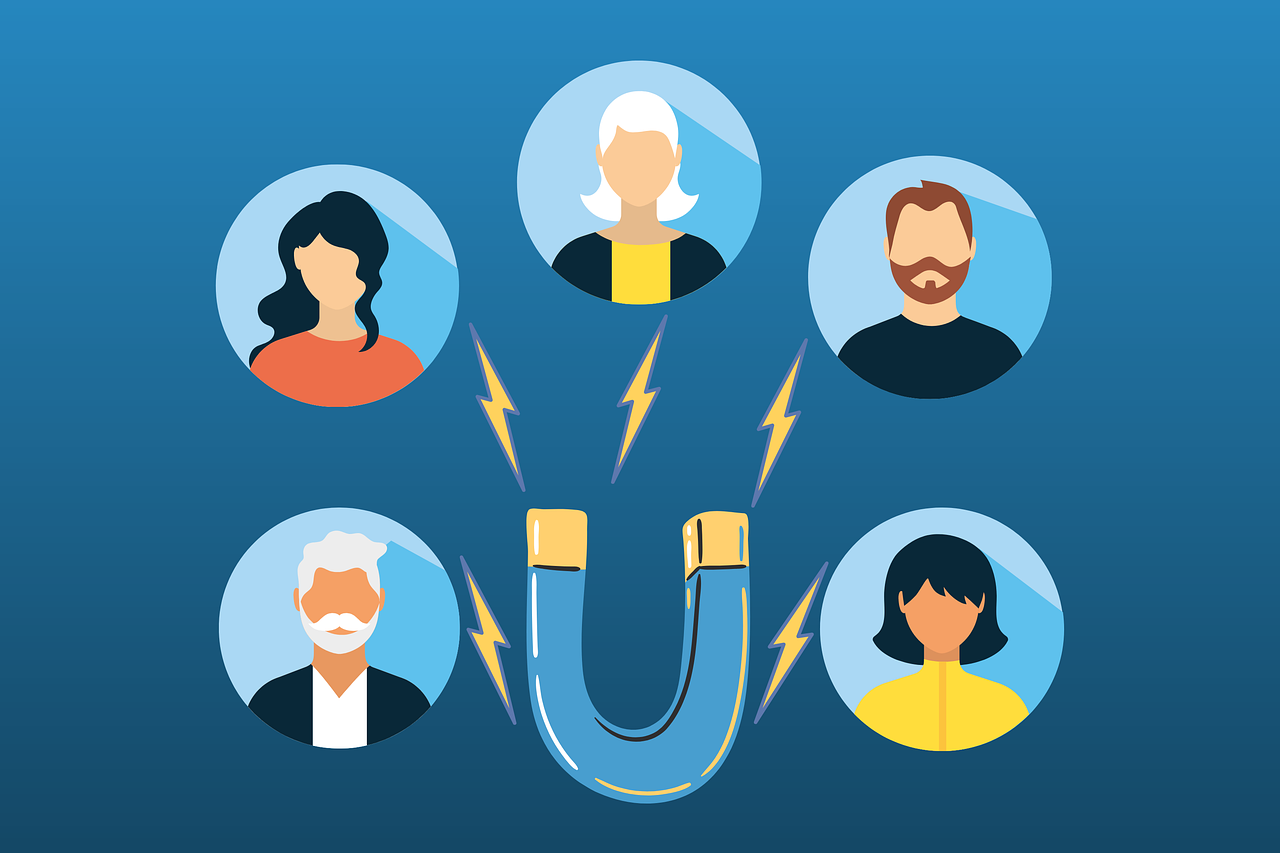
Psychographic segmentation is the process of grouping consumers according to their motivations, goals, attitudes, opinions, beliefs and other psychological factors. It helps you better understand what drives purchase decisions. Not only does psychographic segmentation allow you diversify your marketing and reach out to different groups of consumers, it also allows you to create or customize products or services to cater to the varying needs of your buyers.
Copyright Elf-Moondance (Pixabay)
Why is Psychographic Segmentation Important in Brand Building?
Going back to the earlier scenario, you decided to reach out to your target demographic through an online survey, explaining it would help you understand them and serve their needs better. Based on the responses you received, you discovered that these women between 20 and 50 years old from different states appreciated the sweet-smelling but unique line of perfumes you’ve been selling at cost-effective pricing with efficient delivery times. Thus, the messaging of your next campaign highlighted the popularity of your sweet-scented perfumes, competitive pricing, and quick delivery. And the next time the opportunity presented itself, you even went as far as offering free delivery for a limited time.
Because you’ve used psychographic segmentation to break your market into different groups, you’ve also become aware of your other customer segments, which opened up marketing strategies you could leverage towards these subsets. Let’s say one of these groups was composed of regular clients who — although they didn’t buy as much as the earlier group we’ve discussed — you discovered frequently bought a certain perfume. Upon further research, surveys, and interviews of some of the members of this segment, you found that you’re the only online perfume shop that carried this fragrance. This then allowed you to branch out with new marketing which put a spotlight on the fact that this hard-to-find scent could only be bought at your online store, tapping into more potential customers falling under this segment. This also opened up more research on what fragrances your competitors didn’t offer but which your brand carried as well as the development of new unique perfumes that one wouldn’t find anywhere else online.
Psychographic segmentation not only gave you an understanding of the “why” behind purchases, it also granted you actionable insights on selling more of your products. With this data-driven approach, your brand is able to create different marketing playbooks for your various customer segments. The buyer’s journey would be different per customer, but in their minds there is only one brand that’s on top when it comes to a selection of unique scents at great prices and fast turnaround time for delivery.

Copyright Mohamed_hassan (Pixabay)
What Are Psychographic Segmentation Variables?
So how do you group your market according to your psychographic segmentation data? While there are several types of psychographic data on which you could base the customer segments you’ll be forming, indeed.com listed the following as the five main psychographic segmentation variables:
1. Personality – This variable refers to the beliefs, motivations, behaviors, and overall outlook of your target audience. You can group your customers based on personality traits like creativity, sociability, optimism, empathy, etc.
2. Lifestyle – This variable focuses on the daily habits and preferences of a customer, including how they spend their time and things they consider important.
3. Social class – This variable assumes preferences based on income level and spending power. It can also influence how a product is priced or whether it should be marketed as a luxury.
4. Attitudes – This variable considers the behavior of a customer based on their background and values. An example would be an animal lover who leans towards perfume brands that are known to be cruelty-free, meaning they don’t test their products on animals.
5. AIO (Activities, Interests and Opinions) – This variable groups consumers based on what they similarly enjoy or are passionate about. The second scenario earlier where you discovered the subset of regular customers purchasing the hard-to-find fragrance is an example of this variable.
Copyright geralt (Pixabay)
Personas vs. Psychographic Segmentation
While it might be easy to confuse psychographic segmentation with personas, these two concepts are subtly different. Psychographic segmentation groups your markets according to similar psychological traits and can therefore present a whole-market picture of consumers, spanning the range from those who passionately love your market offering to those who dislike it or resist it. This whole-market look also gives you the ability to attach real numbers to the data, enabling you to do things like demand forecasting, market sizing, receptivity studies based on counts of prospects, and the like.
Personas, on the other hand, are profiles — portraits of individual persons. They are more specific, detailed, and focused. Think of a police profile of a crime suspect (just the format of it, not the content.) A well-drawn persona presents a fictionalized representation of your ideal buyer, with information about key traits of that person. You might describe these traits by saying something like “likes to splurge on expensive vacations,” or “typically employed in middle-echelon white-collar jobs like administrative staff, etc.” The persona provides a vivid description of that individual, so you can better understand how to appeal to that kind of person with marketing campaigns and other forms of brand outreach. A good persona description humanizes the data and gives it a relatable face.
Please click here to find out more about segmentation studies, including some interesting case histories. Cascade Strategies has for over three decades been assisting top US and international companies with high quality market research and superior thinking in identifying and focusing on their most profit-optimal consumers. If you would like to find out more, or learn how Cascade Strategies can help provide brand development research for your specific marketing needs, feel free contact us here.






 info@cascadestrategies.com
 2032 Newport Way NW,
Issaquah, WA 98027 (425) 677-7430