


Feb
Tapping Into The Global Consumer Products Market Growth
jerry9789 0 comments Brand Surveys and Testing, Brandview World


SIS International shared that growth for the global consumer products market is predicted to go over $3.6 trillion by 2035, driven by the following key trends:
- Consistently strong demand for essential consumer goods, such as food, beverages, and household products
- Premiumization and brand differentiation in developed markets
- Expansion into emerging markets to tap into rising disposable incomes and urbanization
- Production innovation through sustainability and packaging development
The demand for packaged goods has always been tied to population growth and urbanization, but there has been a noticeable shift to its nature. For consumer products companies looking for their market share of that projected growth in the coming years, they would need to manage and strategize not only against fluctuating input costs and wavering customer loyalty but also the shift from volume to value.
SIS recommends acquiring knowledge in the following areas to take advantage of these trends:
- “Premiumization” Positioning: Test consumer willingness-to-pay before introducing high-price points tier.
- Maneuvering Into New Markets: Understand cultural nuances in high-growth regions to help ascertain your product’s marketability in new target areas.
- Portfolio Optimization: Refine your product offerings by recognizing which product lines to discontinue, repackage, or prioritize investing in.
- Brand Health Tracking: Monitor your brand value to guide decisions on whether to maintain or pivot strategies.
These are just a few examples of how effective consumer research benefits Consumer Products companies. Those who are consistently leveraging insights like these are positioned to tap into new opportunities as trends shift and new markets emerge.

Image: Tumisu
Featured Image: athree23
Top Image: kc0uvb

Feb
The Travel and Tourism Industry Takes Flight in 2026
jerry9789 0 comments Brand Surveys and Testing, Brandview World

Global tourism is recovering, according to SIS International, reaching $11.7 trillion in 2025 and projected to climb 3.55% to $16.5 trillion by 2035. International visitor spending surpassed pre-pandemic levels by hitting an unprecedented $2.1 trillion globally while cultural tourism is predicted to grow from $1.2 trillion this year to $2.6 trillion by 2035. The sector makes up 10.3% of the global GDP in 2025 and provides 371 million jobs worldwide- a 14M increase from 2024.
However, the US market is behind pre-pandemic records for international arrivals. For travel and tourism companies looking to thrive and take advantage of all that projected growth, SIS lists five critical insights to consider in their strategies:
- Consumers Pay Premium for Personalization – 61% of consumers are willing to spend more with companies offering options to customize and enhance their travel experiences, with top choices like breakfast, room size, and views.
- Consumers are Seeking Wellness Tourism – 44% of high-income travelers helped drive the global growth of wellness tourism to $1 trillion in 2025 while younger customers are quickly adopting wellness trips.
- Meeting Sustainability Expectations – Travelers are now skipping properties that don’t reflect adherence to sustainability standards.
- Managing AI Implementation – From hyper-personalized itineraries to predictive pricing, AI in tourism is booming with 28.7% annual growth projected to be over $5 billion by 2034.
- Addressing Overtourism Anxiety – High tourist volumes at 14 points year-over-year and worries over insufficient amenities rising by 12 points represent growing concerns with overtourism. Formulating dynamic pricing programs, learning about traveler tolerance levels towards crowding, and identifying potential or alternative destination choices to help manage demand are just some of the approaches companies can take to potentially reduce these anxieties.
The next ten years is an exciting time of growth and innovation for the travel and tourism industry. While all that growth is not without its challenges, reaching success is best navigated not by intuition but by a roadmap drawn by actionable and data-backed insights gained from high level market research.
Recognizing psychographics and behavioral patterns to predict booking behavior, mapping and understanding the entire customer journey, creating clear and measurable connections between program initiatives and revenue outcomes: these are just some of the things forward-looking companies can do to prosper In the travel and tourism industry in 2026.

Image: Valentin Ivantsov
Featured Image: JoshuaWoroniecki
Top Image: JESHOOTS-com
Jan
Food and Beverage Sector Expects Steady Growth (But It’s Not What You Think It Is)
jerry9789 0 comments artificial intelligence, Brand Surveys and Testing, Brandview World

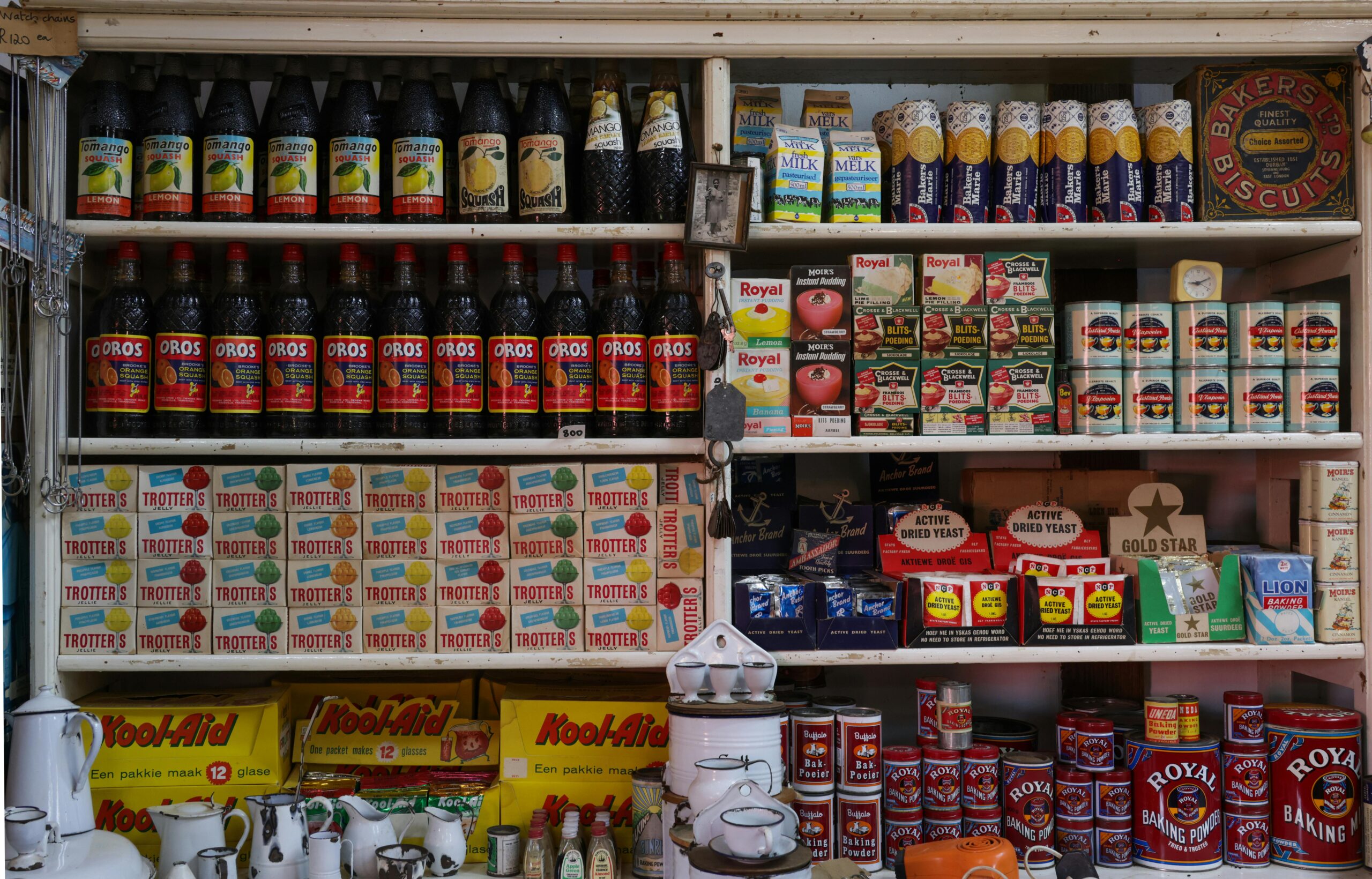
According to SIS International, steady consumer demand would buoy the global food and beverage market growth to $11.4 trillion by 2030, with analysts predicting the US market specifically enjoying between 2% and 4% dollar sales increase in 2026. There is a caveat to this, however; this market growth would be reflected in dollars but not in units sold. Volume growth is projected to be flat to slightly negative as consumers continue to develop selective spending and eating habits, with the market’s revenue generated mostly by price increases between 2% and 4%.
SIS further enumerates five critical trends that could form the backbone of food and beverage brand strategies for the coming years:
- What Value Means For Different Consumers – Value isn’t limited to low price anymore and effective research would help identify which product attributes customers are willing to pay a premium or look elsewhere cheaper.
- Private Label Outpacing National Brands – Understanding where brand loyalty ends and products are viewed as commodities could help national brands compete with growing private labels.
- Consumers Favoring Protein and Gut-Friendly Products – Being a health product won’t sell it alone in an era of increasingly health-conscious shoppers; you’ll also need to recognize which health benefits appeal the most to target consumers and credibly communicate these attributes.
- Food and Beverage Experiences Are Evolving Beyond Flavor – Consumer preferences are growing more meticulous and sophisticated nowadays with texture, aroma, visual appeal, and mouthfeel contributing to the lasting impressions a food and beverage product can create.
- Non-alcoholic Beverages Stirring Up Innovation – Understanding the sober shift with the right set of questions opens up opportunities to design and introduce new beverage offerings without struggling much to find its ideal consumer base.
With effective and high quality market research, food and beverage brands can thrive instead of merely getting by during this projected period of steady industry growth. High level market research would confidently inform and shape business decisions with timely and deep insights on today’s food and beverage consumers, borne out of relevant and flexible research methodologies and backed by real-world validation.
In this period of steady customer demand, exploring beyond these five trends and delving deeper into understanding the driving forces of consumer behavior, attitudes and values through excellent market research could mean revenue gains for food and beverage brands, not in dollar growth through price increases but actual, bonafide volume sales.

All Image Credits: Magda Ehlers






 info@cascadestrategies.com
 2032 Newport Way NW,
Issaquah, WA 98027 (425) 677-7430