
Feb
Recently released US Consumer Expenditure Survey data confirm what eyetracking studies have been telling marketers for some time. Our Nimbus eyetracking studies revealed a widening gulf between the shopping patterns observed between younger generations and their older counterparts over the past 5 years. The eyetracking data revealed differences in dwell times and rejection rates among the different age cohorts.

Feb
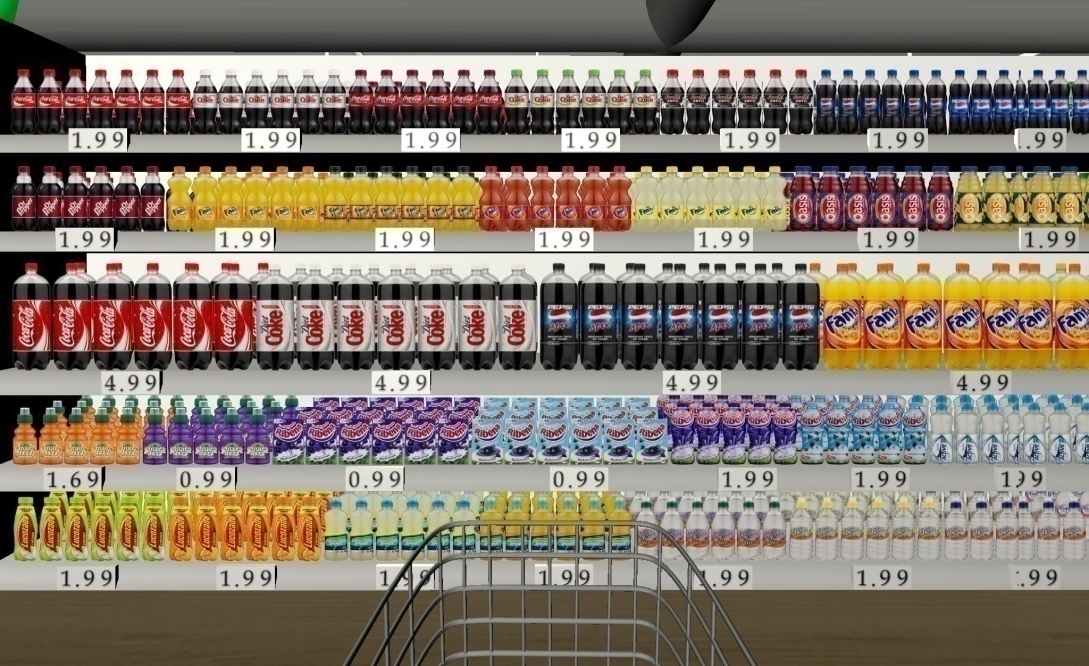
Clients often ask whether the results from a virtual study reflect actual shopping behavior in a real store. During a recent oral care study, we measured a 97% correlation between dollar value of purchases on a brand-by-brand basis made by respondents buying in a virtual store versus reported industry sales. The Pearson Correlation Coefficient was significant at better than 95% confidence level for results summed up across more than 13 brands represented in the study. This high degree of correlation meant that all sorts of different stimuli could be tested for effectiveness in a virtual reality study with confidence that the results could be applied to real marketing strategies.

Feb
Mobile device usage in China has surpassed the US and indications are that penetration rates will continue to climb faster in China than either the US or Europe. Mobile device users are far more likely to access the Internet and do so more often than other internet users. Understanding these mobile device users is going to pose a major challenge to marketers since they tend to ignore traditional surveys. It stands to reason that any research needs to make use of the same technology platforms.

Jan
Is mobile eye tracking better than tracking from a computer monitor? There’s debate. Most mobile eye tracking solutions provide analog output in real time. In other words, researchers and observers can “see what the respondent is seeing” in the moment. That’s great for qualitative insight, but what kind of precision or quantitative reliability does it provide? Not much. On the other hand, eye tracking from a computer monitor in virtual reality provides real coordinate data, precise time coding, and in some cases fixations on special areas of interest, like a brand name on a label. So far so good. Is there any downside to eye tracking from a computer monitor? Some people claim the virtualizations are clumsy and unreal. But with each new year that critique fades, as the virtual reality simulations are approaching the real world much better. The odds seem to be in favor of tracking the eye from a monitor. Maybe there’s somebody out there who sees it differently?

Jan
Southwest Windpower taps Cascade to assess the blogosphere’s view of the possibilities for small wind power
jerry9789 0 comments Burning Questions
Southwest Windpower (SWWP), a Phoenix-based supplier of wind turbine generators for “small wind” supplemental green power generation (i.e., for single structures – homes, commercial buildings, etc.), asked Cascade Strategies to survey online communities and summarize their point of view on the viability of small wind. SWWP was in pursuit of a Green Energy Development Grant from the US DOE, and needed to persuade the department that small wind was a credible concept when compared to large-scale wind farms, according to company spokesman Dave Sanchez.

Jan

Jan
Link to HP Case Study
jerry9789 0 comments Uncategorized
In a recent case study, HP wished to explore which paper package would be most successful at retail. By utilizing our innovative Nimbus Virtual Shopping System, Cascade Strategies has once again proven the power of market research.